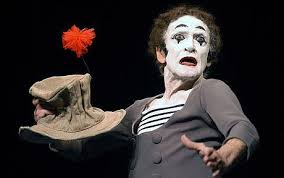
Tension engages the performers and the audience in the scene or action. The four main types of dramatic tension are the tension of the task, the tension of relationships, the tension of surprise, and the tension of mystery (Sanders, 2006). Tension can be created by a number of different actions such as the performer raising their voice to a shout; this creates a move obvious tension between actor and audience but something more subtle such as the actor’s position on stage can create a more subtle amount of tension as well. Timing is very important when creating dramatic tension the pace the tension builds is crucial to the desired effect, if the tension builds to slowly the meaning that the performer is trying to convey may get lost mid scene where as if the tension builds to quickly it may fail to have the desired dramatic effect. Tension and release can also be a great comedic tool; you can control the audience by making them as Uncomfortable as possible and then release the tension with the right joke or action at a specific time.
Dinner for one uses dramatic tension throughout the entire piece, tension is created subtly while the task being performed and building up waiting for the reaction for example the butler is serving wine to the imaginary guests and the audience is awaiting the lady’s reaction to the butlers in character toast trying to decipher the punch line. Another example of use of tension is having the butler continually trip over the tiger rug so when he doesn’t trip the audience pauses not knowing what to expect the butler then tripping in the opposite direction creates and even funnier effect. Throughout the entire piece the butler keeps repeating the same routine leaving the audience waiting for something to change he serves the imaginary guests and then toasts in character and asks Mrs Sophie “same procedure as last year?” to which she replies “same procedure as every year James” when Mrs Sophie has finished her banquet she then informs James that she is retiring to bed, he then asks her the same question as before leaving the audience waiting for the release of tension expecting the punch line to which she responds the same and he then turns to the camera and winks saying “I’ll do my best” leaving the audience to assume they are retiring to bed together.
References
Bent, M., 2014. Tension and Release – Comedy Writing. [online] Netplaces.com. Available at: <http://www.netplaces.com/comedy-writing/the-funny-five/tension-and-release.htm> [Accessed 17 Apr. 2014].
Cash, J., 2014. Elements of Drama: Tension. [online] Thedramateacher.com. Available at: <http://www.thedramateacher.com/elements-of-drama-tension/> [Accessed 17 Apr. 2014].
Sanders, T., 2014. Tracey Sanders. [online] Dlibrary.acu.edu.au. Available at: <http://dlibrary.acu.edu.au/staffhome/trsanders/units/nature_of_drama/elements.html> [Accessed 18 Apr. 2014].